
Cultural insights on gambling beliefs around the world
The Historical Evolution of Gambling
Gambling has a storied history that transcends borders and cultures, dating back thousands of years. The earliest known forms of gambling can be traced to ancient China, where rudimentary games of chance were played with dice. Archaeological evidence suggests that gambling was also prevalent in ancient Egypt, where people wagered on various events and games, integrating it into social interactions. This early inception set the stage for gambling to evolve as a significant cultural phenomenon globally. Today, you can find quality world cup betting tips group C on WorldCupBettingTips2026.com that cater specifically to the betting needs surrounding the FIFA World Cup.
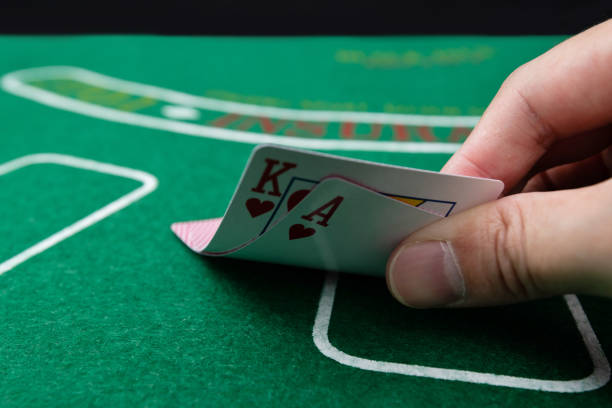
As civilizations advanced, so did gambling practices. In ancient Rome, for instance, betting on gladiatorial combat and chariot races became commonplace, reflecting societal values and entertainment preferences. The Roman Empire’s expansion facilitated the spread of gambling practices throughout Europe. By the Middle Ages, gambling had transformed, with card games emerging as popular forms of entertainment in noble courts. This transition not only highlights the adaptability of gambling but also its deep-rooted cultural significance.
In modern times, gambling has evolved further with the advent of technology, leading to online betting platforms and mobile gambling applications. This shift has made gambling more accessible, significantly influencing global betting cultures. However, the historical foundations of gambling still resonate, reminding us that beliefs about luck, fate, and chance are deeply embedded in human culture. Understanding this evolution helps contextualize contemporary attitudes toward gambling in various regions.
Gambling Beliefs in Different Cultures
Gambling beliefs vary widely across cultures, often influenced by historical events, religious doctrines, and societal norms. In many Asian cultures, for example, gambling is often viewed through the lens of luck and destiny. The Chinese belief in Feng Shui extends to gambling environments, where players consider auspicious numbers and colors that might influence their chances. The significance of luck is further emphasized during festivals, such as the Chinese New Year, where people engage in gambling as part of celebratory traditions.
Conversely, in Western cultures, gambling often carries a dual perception. In places like Las Vegas, gambling is synonymous with entertainment and leisure, encouraging a celebratory approach to betting. However, there is also a significant societal concern regarding gambling addiction. In many Western countries, there are movements advocating for responsible gambling and awareness campaigns aimed at minimizing harm. This dichotomy reflects the complex attitudes toward gambling, shaped by both enjoyment and caution.
In Middle Eastern cultures, gambling is typically viewed unfavorably due to strong religious beliefs. Islam, for instance, explicitly prohibits gambling, considering it a vice that can lead to social and financial ruin. This religious stance shapes cultural attitudes towards gambling, leading to a predominantly negative perception. However, there are still underground gambling activities, showing the tension between cultural beliefs and human desire for chance and risk. This contrast showcases the diverse landscape of gambling beliefs worldwide.
The Role of Superstitions in Gambling
Superstitions play a vital role in gambling practices around the world. Many gamblers adhere to specific rituals or beliefs that they believe can enhance their luck. For example, in various cultures, carrying a lucky charm or performing a particular routine before placing a bet is common. In many cases, these rituals are deeply personal but can also be influenced by cultural narratives or stories passed down through generations. Such superstitions become intertwined with the identity of the gambler, creating a psychological framework around their gambling experiences.
In the world of sports betting, the notion of “lucky teams” or “cursed teams” can significantly influence decisions. Fans may bet on their favorite team, attributing a win or loss to more than just skill or strategy. Instead, they often believe that certain conditions, like the day of the week or specific player performances, affect the outcome. This underscores how deeply ingrained beliefs can shape betting behaviors, illustrating the psychological interplay between chance and fate.
Additionally, superstitions can lead to behaviors that might seem irrational to outsiders but make perfect sense within specific cultural contexts. In some cultures, failure to acknowledge a winning streak can be seen as tempting fate, leading gamblers to adopt practices that might seem unusual. These superstitions create a rich tapestry of beliefs that enhance the gambling experience, serving both as a comfort and a source of hope for those who participate.
The Economic Impact of Gambling Across Cultures
Gambling has significant economic implications in various countries, contributing to national revenues and job creation. In regions where gambling is legal and regulated, such as Macau and Las Vegas, the industry thrives, attracting millions of visitors annually. These areas often rely on gambling as a primary economic driver, leading to the development of resorts, entertainment venues, and hospitality sectors. The economic benefits can extend to local communities, creating jobs and boosting tourism-related services.
However, the economic impact of gambling also raises important questions about social responsibility and public health. In many regions, the financial benefits derived from gambling often come at a cost, particularly concerning gambling addiction and its associated societal issues. Governments in countries like the United Kingdom and Australia have implemented measures to promote responsible gambling, reflecting an awareness of these challenges. Balancing economic growth with societal well-being becomes a central challenge for policymakers in these contexts.
Additionally, cultural attitudes toward gambling influence regulatory frameworks. In some cultures, gambling is embraced as a legitimate economic activity, while in others, it remains stigmatized. This divergence affects how societies approach taxation, regulation, and support for gambling-related social initiatives. Understanding the interplay between culture, economy, and gambling provides valuable insights into the broader implications of this industry around the world.

Insights from World Cup Betting
As global events like the FIFA World Cup approach, the interest in betting surges, revealing unique cultural dynamics related to gambling. In countries like Brazil and Germany, betting on national teams can evoke intense national pride and excitement, intertwining sports with cultural identity. These betting practices reflect local customs, where fans often engage in friendly wagers with friends and family, enhancing the communal experience of sports watching.
Moreover, the proliferation of online betting platforms has transformed how individuals engage with World Cup betting. Fans now have access to real-time data, allowing them to make informed betting decisions. Websites dedicated to providing insights and analysis play a pivotal role in this landscape, offering expert opinions and statistics that can shape betting strategies. This transformation reflects the broader impact of technology on gambling behaviors and cultural practices.
As more cultures embrace sports betting, the landscape continues to evolve. The World Cup, a global spectacle, serves as a significant focal point for gambling activities. Understanding the cultural implications of betting during such events offers a glimpse into how sports and gambling intersect, highlighting the emotional and social dimensions involved. As a result, discussions around responsible gambling and informed decision-making become increasingly essential as betting practices evolve worldwide.